WTDaBuzz · Streaming & Platforms · 17 October 2026
Disney’s Super Bowl LXI plan is a useful example of why an international sports distribution announcement should be read destination by destination. A global media group can use several services for the same event without giving every service an identical territorial footprint.
In its 7 October release, Disney announced a Disney+ livestream of ESPN’s Super Bowl production on 14 February 2027. It said all Disney+ subscribers in the United States could watch the traditional and Spanish-language presentations. Outside the US, Disney+ would carry the event in more than 55 markets, while ESPN’s linear platforms would distribute it in more than 130 countries and territories.
Those are announced distribution plans for a future event. The two international totals describe different routes to audiences; they should not be added together as a count of unique markets.
A rights map is more useful than one worldwide label
For a sports rights business, “international distribution” is only the start of the operating brief. A working map needs a destination, territory, presentation, language and responsible partner for each relevant row.
Consider a hypothetical sponsor planning a campaign across three markets. Even where the event is available in all three, the audience may encounter a different service, commentary feed or promotional environment. That distinction affects the sponsor’s media plan and the questions its agency must ask before agreeing deliverables.
Distribution reach is not the same as sellable inventory
A service carrying an event does not by itself tell a buyer which advertising placements it can purchase. Buyers need confirmation of the actual product, geography and measurement arrangement offered to them.
A useful commercial brief separates programme availability from inventory availability. It should also distinguish a forecast audience from a guaranteed delivery commitment, and state what happens if the agreed measurement or placement cannot be supplied. These are procurement questions, not claims about the terms of Disney’s contracts.
The event clock makes testing a business priority
For operators monetizing live sports streaming, rehearsal has an unusual economic value: a missed live moment cannot simply be rescheduled for the same audience. The commercial owner and technical owner should agree what they need to prove before launch.
That might include a purchase or sign-in journey, an approved language selection and a support escalation exercise. A test should document its assumptions rather than implying it guarantees performance at full event demand.
The broader lesson is to translate a rights announcement into a concrete distribution and commercial plan. Territory totals are useful context, but the individual delivery route determines what a partner actually has to prepare.
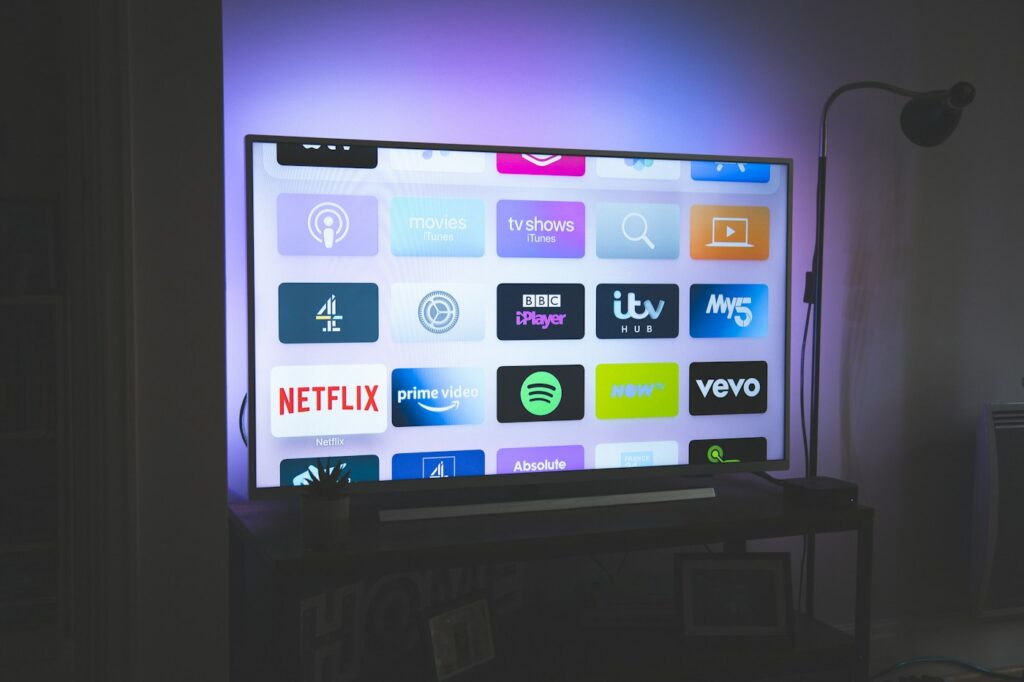
Image: Illustrative streaming television, Nicolas J Leclercq / Unsplash, standard Unsplash License. Historical app icons do not indicate current event availability.