WTDaBuzz · Streaming & Platforms · 17 October 2026
As streaming advertising becomes more interactive, the creative approval process has to account for what viewers can do as well as what they can see.
At its May 2026 upfront, Amazon Ads announced Dynamic TV Creative for interactive advertising on Prime Video series and films. Its 12 May recap describes a capability that adjusts elements such as the call to action, headline, product information and interaction format using signals about a viewer’s shopping journey.
That is Amazon’s description of its product. It is not evidence that a particular advertiser will achieve a specified improvement, and it does not remove the need to confirm availability and requirements with the seller for a proposed campaign.
The approval object becomes a set of possible experiences
A conventional video approval can focus on one finished file. A dynamic execution raises an additional question: which combinations of text, product information and interaction have been approved?
For a media buyer, a useful creative brief can separate fixed elements from variable ones. It should identify who controls each input and what conditions require another review. This is an operating recommendation, rather than a description of Amazon’s internal approval procedure.
The destination deserves as much attention as the screen
An interactive prompt connects an entertainment experience to a further action. Before a campaign launches, the advertiser should check the intended destination and the information the audience encounters there.
In a hypothetical multi-market campaign, a product message might be appropriate for one audience but point to a page with the wrong language or unavailable stock for another. A creative review that stops at the video frame would miss that practical problem.
The campaign team should retain a clear record of which experience was tested and which assumptions were used. A screenshot alone may not document a changing sequence, so the evidence needs to fit the actual interaction.
Match reporting to the campaign’s question
More ways to interact create more possible measures. An interaction rate, a completed purchase and an incremental business outcome are different observations. The buyer needs to decide which question the campaign is intended to answer before selecting the report that will represent success.
For businesses monetizing OTT services, the wider implication is organisational. Product, ad operations, creative and client service need a shared definition of the experience being sold. The commercial opportunity is easier to manage when everyone can describe the same deliverable and the evidence required to evaluate it.
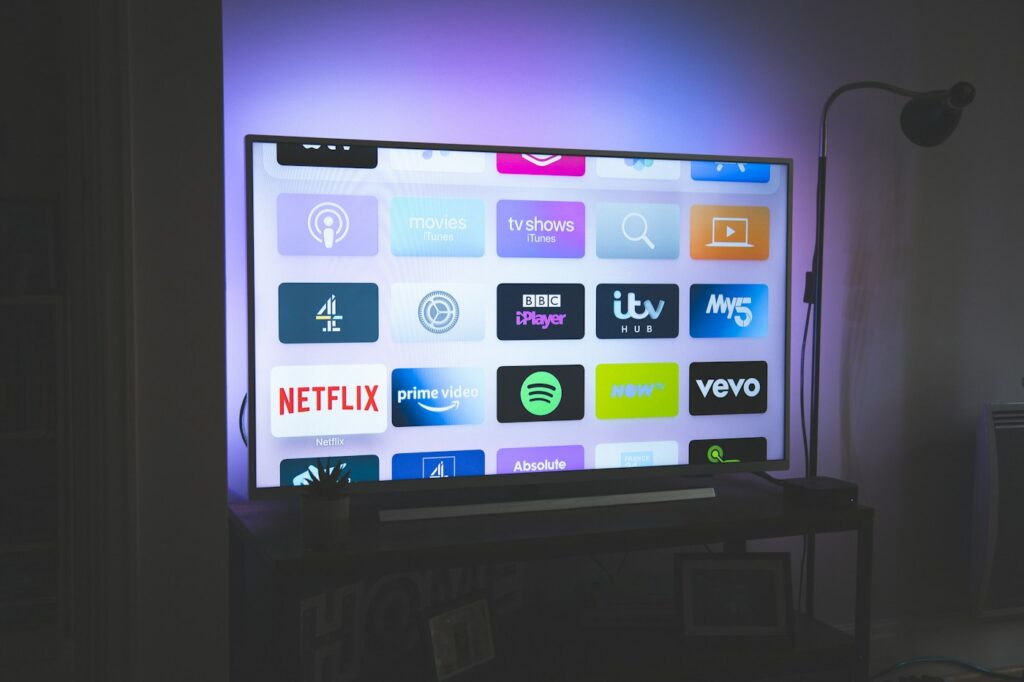
Image: Illustrative streaming television, Nicolas J Leclercq / Unsplash, standard Unsplash License. The photograph does not show Dynamic TV Creative.