WTDaBuzz · Source-led business analysis · Researched 17 October 2026
A procurement conversation is harder when only some participants can inspect the technical documents behind a supplier’s claim. Shared access can improve the starting point, while leaving the work of testing and implementation intact.
On 17 June 2026, SMPTE announced free access to its standards catalogue, including published Standards, Recommended Practices, Engineering Guidelines and Registered Disclosure Documents, as well as future releases. The announcement describes a change in document access. It is not a certification of equipment, a promise that every workflow is interoperable or a replacement for reading the relevant document’s conditions.
Turn a reference into a requirement
A production buyer should ask which document and version a proposed system is intended to support. A broad statement that a product follows industry standards can leave important details unresolved. The useful requirement is connected to the work the buyer actually needs to perform.
A hypothetical procurement brief can identify the relevant handoff, the files or signals involved and the result expected at the receiving end. That creates a basis for discussing the standard without asking a reference number to explain the entire workflow.
Give the demonstration a pass condition
Access to a specification helps the team frame a test, but the test still needs representative material and an agreed outcome. The buyer should know what would count as a successful exchange and how an exception would be recorded.
This is especially useful when several suppliers are involved. Each product can appear suitable in isolation while the combined process still requires configuration or an operational compromise. The demonstration should reflect the intended chain of work.
Keep document access separate from expertise
Removing an access barrier does not remove the need for skilled interpretation. A team may still need engineering help to identify the appropriate requirement and assess whether a supplier’s proposal meets it.
SMPTE’s change is therefore relevant to the video production process as a procurement aid. More participants can inspect the same source material. The commercial benefit depends on using that access to ask precise questions and verify an actual workflow before making a buying decision.
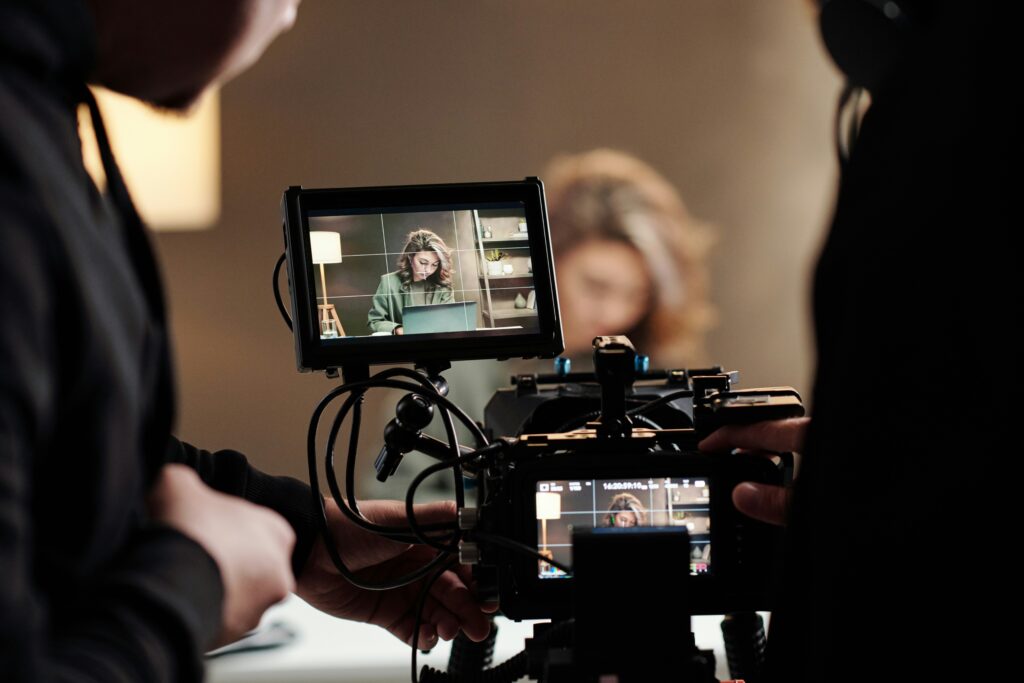
Image: Illustrative production-monitor photograph, Getty Images / Unsplash+, licensed original. This is thematic imagery, not a photograph of the named company, people or event.